




NFU president signals fresh confidence for UK farming after tough 2025
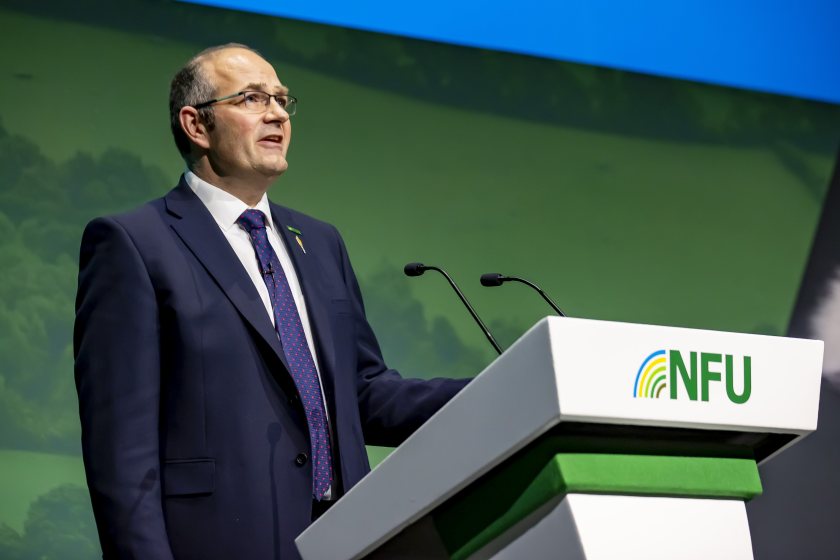
After one of the most punishing years the sector has faced, UK farming is entering 2026 with renewed confidence and a stronger platform for recovery, according to NFU president Tom Bradshaw.
Reflecting on the past 12 months, Mr Bradshaw said the industry had been tested by a convergence of global and domestic pressures, but believes progress made during 2025 has created a firmer foundation for the year ahead.
“As we head into the new year, we can take pride in the resilience UK farming has shown over the past 12 months,” he said, adding: “I am optimistic that we now have firmer ground to build on and grow in 2026.”
He described 2025 as one of the toughest years on record, marked by geopolitical instability, trade deals with the potential to undermine UK markets, volatile prices and ongoing uncertainty around farming schemes.
Confidence among farmers, he said, had reached an “all-time low”, worsened by drought conditions that damaged harvests and left lasting challenges for growers. Changes to inheritance tax also weighed heavily on the sector, although he noted these had “now thankfully been changed”.
Despite these pressures, Mr Bradshaw said the past year had demonstrated the value of farmers standing together and the influence of a united voice. He highlighted a series of policy gains secured through NFU campaigning, including stronger legislation on attacks on livestock, reforms to the planning system and progress on renters’ rights.
He also pointed to trade and scheme-related wins, including concessions on beef access to the US market, the reopening of the Sustainable Farming Incentive application window and the rollover of Countryside Stewardship Mid-Tier agreements, moves he said had restored certainty for thousands of farm businesses. He added that many of the government’s priorities in the Farm Profitability Review reflected proposals put forward by the NFU.
Mr Bradshaw said the most significant achievement of the year was the government’s decision to amend agricultural property relief and business property relief by raising the threshold to £2.5m, following what he described as “14 months of persistent campaigning”. He said sustained engagement with politicians, including meetings with Prime Minister Sir Keir Starmer and Defra secretary Emma Reynolds, alongside pressure from rural MPs, helped secure the change.
“I am thankful that common sense has prevailed, the government has listened and there is a huge sense of relief for many farming families across England and Wales,” he said.
Beyond policy, he highlighted the NFU’s education work, with more than half a million schoolchildren reached through live lessons and classroom visits. The Farmers for Schools programme more than doubled its reach over the past year, helping to improve understanding of food production and farming among young people.
Public support for farming also remained strong, he said, with the NFU’s Farmer Favourability Survey again ranking farming as the second most respected profession in the UK, behind nursing. He said that backing strengthens the sector’s hand when engaging with decision-makers.
Looking ahead, Mr Bradshaw said farming continues to face challenges in an uncertain world, but stressed that delivery in 2026 will be critical. He said effective use of tax reliefs, greater energy resilience, supply chain reform, a more enabling planning system and action on high energy costs would all be vital to improving profitability and encouraging investment.
He added that the NFU will continue to press government on issues including trade and border security, rural crime, farm safety, avian influenza vaccination, seasonal labour flexibility, public procurement of British food, tenant farming rights and the future of upland farming.
Closing his message, Mr Bradshaw said the sector’s influence depends on maintaining unity in the year ahead. “As we move into 2026, a united voice can help deliver a dynamic, resilient domestic food system for 70 million people across the United Kingdom,” he said. “Together, we are stronger.”




