

Oilseed rape area set to surge 28% as UK farmers cut spring crops
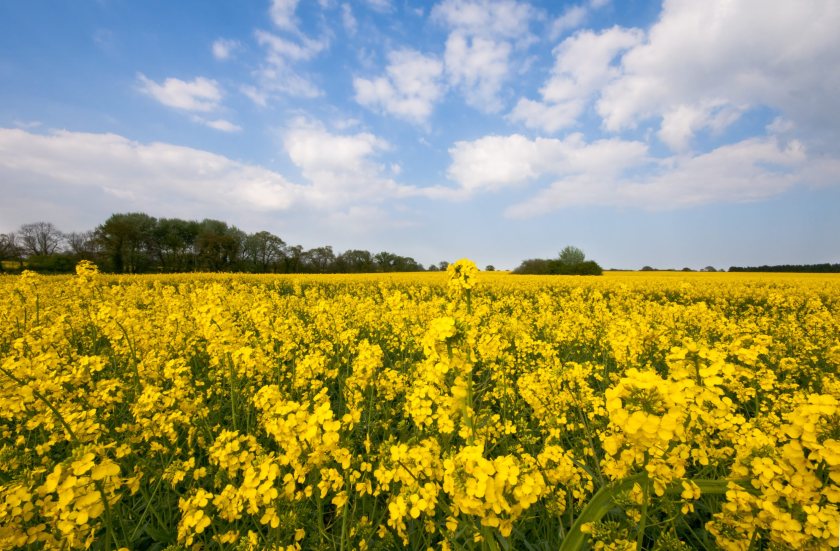
British farmers are set to expand oilseed rape plantings by 28% for the 2027 harvest, as tighter crop margins and difficult growing seasons prompt a shift away from spring barley, oats and pulses.
New forecasts from the Agriculture and Horticulture Development Board (AHDB) suggest the UK oilseed rape area could climb to 415,000 hectares, its highest level since 2019.
The projected increase would see approximately 92,000 additional hectares devoted to the crop compared with the estimated 323,000 hectares in 2026.
The findings, published on 13 November, come from AHDB's latest Early Bird Survey, which assesses autumn plantings and farmers' cropping intentions for the following harvest.
AHDB attributed the stronger outlook for oilseed rape to improved yields in 2026, favourable autumn drilling conditions and comparatively attractive financial returns.
The organisation said the crop had benefited from "a more favourable margin outlook compared to other crops", helping to renew growers' interest.
Farmers have also become more familiar with managing cabbage stem flea beetle, a pest that has caused significant damage to oilseed rape crops in recent years.
However, the final area will depend partly on how crops perform over winter, with pest pressures and growing conditions remaining important factors.
While oilseed rape is gaining ground, spring barley is facing a particularly sharp decline, with plantings forecast to fall 11% to 531,000 hectares.
That would represent a reduction of approximately 68,000 hectares compared with 2026 and the smallest UK spring barley area since 2006.
AHDB linked the decline to two difficult growing seasons for spring crops, alongside continued pressure on demand from the malting, brewing and distilling industries.
Oats are also expected to lose ground, with the combined winter and spring area forecast to fall 18% to 136,000 hectares.
If realised, this would be the smallest UK oat area since 2015, with spring oats accounting for around two-thirds of total plantings.
Pulses face a similarly challenging outlook, with the survey indicating a 20% reduction in planting intentions for the 2027 harvest.
AHDB suggested that less competitive gross margins compared with oilseeds, alongside variable pulse yields in recent years, had likely contributed to the decline.
In contrast, winter cereal areas are expected to remain relatively stable following another favourable autumn drilling season.
The total UK wheat area is provisionally forecast to increase 1% to approximately 1.664 million hectares, up around 16,000 hectares from the estimated 2026 area.
Winter barley is expected to decline slightly, falling 1% to 366,000 hectares, compared with 369,000 hectares in 2026.
Combined with the projected reduction in spring barley, this would bring the total UK barley area down 7% to approximately 897,000 hectares.
The survey also points to little change in uncropped arable land, with AHDB noting that the Sustainable Farming Incentive (SFI) and other environmental schemes have not received expanded budgets this year.
The findings are based on information from more than 60 agronomists, covering approximately 615,000 hectares of arable land across the UK.
Conducted mainly in late October and early November, the survey uses reported changes in cropping patterns alongside provisional 2026 area estimates to forecast plantings for harvest 2027.
However, AHDB cautioned that the survey "only represents a snapshot at a given point in time" and should be interpreted carefully.
Winter crop forecasts are generally considered more reliable because many fields have already been drilled, while spring crop figures largely reflect intentions that could change before planting.
The provisional 2026 UK baseline also uses 2025 crop areas for Wales and Northern Ireland, where updated national figures were not yet available.
AHDB is due to publish revised forecasts, including regional breakdowns for the main crops, in mid-December.
The updated figures should provide a clearer picture of whether oilseed rape's recovery is being sustained and how far growers are moving away from spring cropping ahead of the 2027 harvest.