

Pig farmers losing nearly £25 per animal as production costs surge
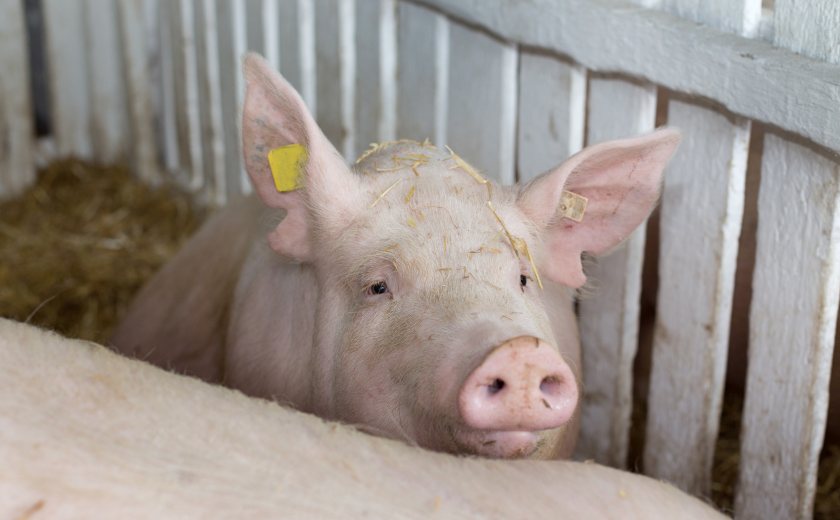
British pig farmers are losing almost £25 on every slaughter pig on average, as rising production costs continue to outpace prices paid to producers, new industry figures reveal.
The latest estimates from the Agriculture and Horticulture Development Board (AHDB) show losses reached £24.95 per pig during the third quarter of 2026, equivalent to 27.4p per kilogramme deadweight.
Production costs climbed to 207p/kg between July and September, up from 201p/kg in the previous quarter.
However, the Standard Pig Price (SPP) rose by just 1p/kg over the same period, from 179p/kg to 180p/kg, leaving producers facing a widening gap between costs and returns.
Feed remains the largest expense for pig farmers, accounting for around 60% of total production costs.
According to AHDB, feed costs increased by approximately 5p/kg during the quarter, accounting for most of the overall rise in production expenses.
Other variable costs increased by 1p/kg, driven by higher energy and fuel prices, while labour and finance costs remained broadly unchanged.
The latest figures represent a further deterioration in profitability, with estimated losses widening from £20.44 per pig in the second quarter to £24.95 in the third.
The figures are based on AHDB's economic cost estimates for breeding and finishing herds, meaning individual farm losses will vary depending on production systems, efficiency and costs.
The worsening financial picture comes alongside signs that some producers may already be reducing their operations or leaving the sector.
Separate AHDB figures published on 5 November revealed that sow and boar slaughter reached 56,000 head during the third quarter, an increase of 15.4% compared with the same period last year.
The rise followed an 11% year-on-year increase in the previous quarter and marked the highest quarterly total since the final three months of 2023.
Higher breeding animal slaughter can indicate a reduction in herd size, potentially affecting pig supplies in the coming year.
AHDB warned that sustained increases in culling could put further pressure on domestic pig production into 2027.
In its latest market analysis, the levy body said "many pig producers have started to scale back, or leave the industry", contributing to slowing production growth.
UK pig meat production totalled 246,600 tonnes between July and September, down 1.6% on the previous quarter, although still 2.8% higher than a year earlier.
The figures suggest that production remains relatively high despite deteriorating margins, adding to the challenges facing farmers already struggling with increased operating costs.
AHDB has also highlighted weaker domestic demand, particularly for processed pig meat, alongside plentiful supplies that have placed downward pressure on prices.
The organisation expects UK pig production to decline during 2027 as continued financial pressures encourage further herd reductions.
Continued losses could force more producers to reconsider herd sizes, investment plans or their future in pig farming, raising concerns about the longer-term stability of domestic pork production.
The National Pig Association (NPA) has previously warned that worsening financial pressures could drive more producers out of the industry.
Speaking in September, NPA chief executive Lizzie Wilson said: "The pig sector is going through another hugely turbulent period, just four years after the last crisis – and we face losing more producers and more of our critical mass, if things continue as they are."
While tighter supplies could eventually support a recovery in pig prices, persistent input costs and subdued demand could limit improvements in farm profitability.
For producers, the latest quarterly figures underline the continuing financial pressure on British pig farming, with rising expenses and limited price increases leaving average production margins firmly in negative territory.