

Shamonda virus reaches British cattle as farmers urged to stay alert
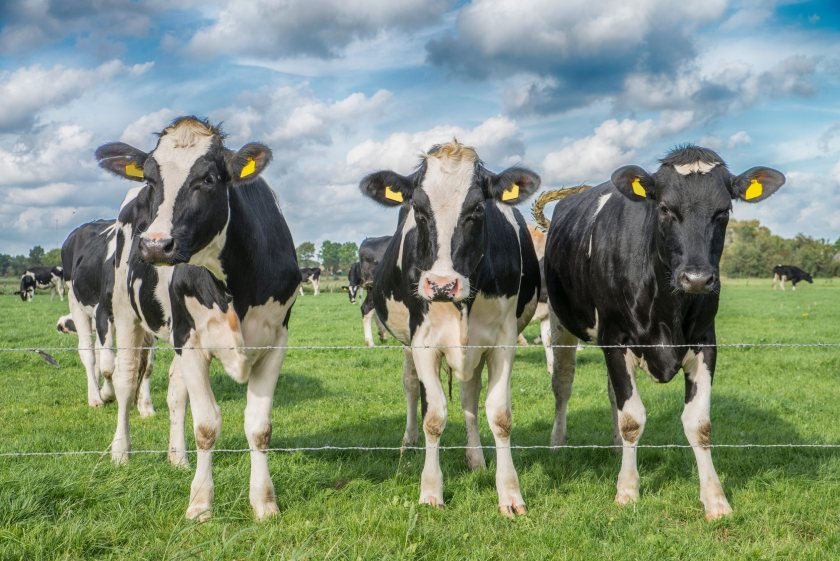
A new midge-borne livestock virus has been detected on two British dairy farms for the first time, prompting calls for farmers to remain vigilant as the disease spreads across Europe.
The Animal and Plant Health Agency (APHA) confirmed on Monday (2 November) that Shamonda virus (SHAV) had been identified in cattle on farms in Powys and Shropshire.
The infections were detected during October after samples were collected and tested at APHA's laboratories in Weybridge, marking the first confirmed cases in livestock in Great Britain.
However, the agency has stressed that SHAV is not currently a notifiable or reportable disease, with no additional disease-control restrictions considered necessary.
APHA said “there is currently no evidence to suggest that additional disease-control measures are required”, although authorities will continue monitoring the situation.
The virus is thought to spread primarily through Culicoides biting midges and has already been identified in several European countries during 2026, including recent detections in Jersey and the Republic of Ireland.
APHA said the arrival of the virus in British cattle was consistent with its spread across Europe, highlighting the importance of national surveillance and diagnostic testing.
“This detection is not unexpected given recent reports of the virus in Europe,” the agency stated.
SHAV belongs to the same broad group of viruses as Schmallenberg virus and has primarily been associated with disease in cattle, although infections have also been identified in sheep, goats, horses and alpacas.
Affected cattle may develop fever, diarrhoea, lethargy, reduced milk production and mild respiratory symptoms, potentially creating additional challenges for dairy producers.
Abortions and congenital abnormalities are also possible following infection during pregnancy, although the full reproductive impact of the virus remains under investigation.
APHA has not publicly confirmed what symptoms, if any, were observed in cattle on the two British farms, or whether the infections were associated with reduced milk yields or reproductive problems.
The agency is encouraging cattle farmers and other livestock keepers to monitor their animals closely and contact their private veterinary surgeon if unusual signs of illness develop.
There is currently no specific treatment for Shamonda virus and no licensed vaccine, with management limited to supportive veterinary care for affected animals.
Diagnostic testing is available through APHA, while vets investigating suspected infections can seek advice from their local Veterinary Investigation Centre.
The first British detections have also prompted a response from the National Sheep Association (NSA), which is urging livestock farmers to continue reporting suspected disease to their vets.
NSA chief executive Phil Stocker said the findings came as farmers were already dealing with the continuing challenge of bluetongue virus serotype 3 (BTV-3).
“Following hard on the heels of BTV3, a virus affecting sheep and cattle that is still very live here in GB, another exotic midge-borne virus has now been identified.”
Mr Stocker said the detections reflected changing patterns of livestock disease across Europe and reinforced the importance of surveillance and early veterinary investigation.
“The cases are concerning and are another symptom of changes in disease spread across the continent,” he said.
However, he cautioned against unnecessary alarm, particularly as the infections had been detected during a period of reduced midge activity.
“These are very early days and keepers should not be overly alarmed. At least these two cases have appeared at a time of year when midge activity has slowed. NSA will keep members informed of developments.”
Although acute disease has not been observed in sheep or goats to date, the NSA highlighted reports from Europe of congenital abnormalities in both cattle and sheep following infection in the womb.
The association is therefore advising farmers to monitor pregnant animals closely and seek veterinary investigation where reproductive abnormalities occur.
Unlike Shamonda virus, bluetongue remains a notifiable disease, meaning suspected cases must be reported immediately to APHA.
Farmers in England can report suspected bluetongue on 03000 200 301, while the number for Wales is 0300 303 8268. Scottish livestock keepers should contact their local Field Services Office.
The potential implications of SHAV for human health are also being monitored following a single confirmed infection in a severely immunosuppressed person in France.
However, UK health authorities currently consider the risk to the general population very low, while the Food Standards Agency has reported no evidence that the virus poses a food safety risk.
Defra, the Welsh Government, Scottish Government and APHA will continue reviewing the situation as further evidence becomes available.