

UK dairy exports plunge nearly 30% as Irish milk trade slumps
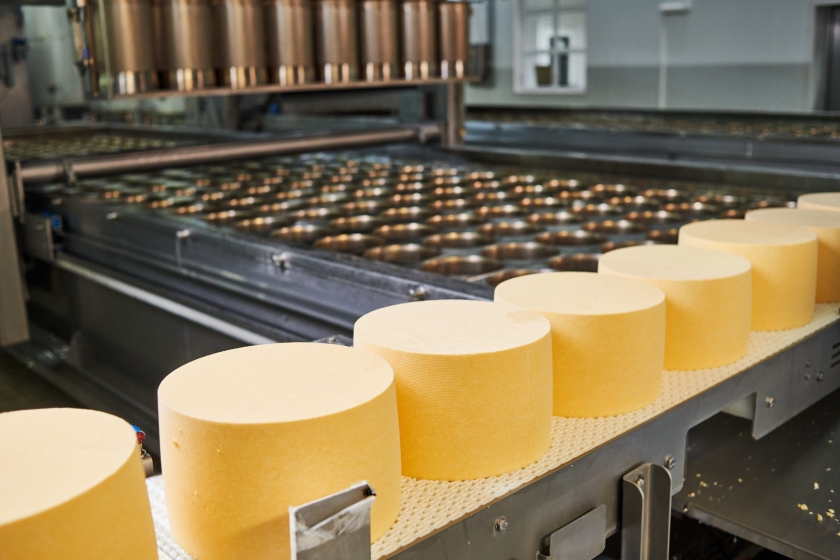
UK dairy export volumes plunged nearly 30% in the third quarter of 2026 as liquid milk shipments to the Republic of Ireland fell sharply, despite continued growth in British cheese exports.
New figures from the Agriculture and Horticulture Development Board (AHDB) show export volumes dropped 29.6% year-on-year to 249,300 tonnes between July and September. The value of shipments also fell by 15% to £471 million.
However, AHDB said much of the decline resulted from reduced milk movements across the Irish border for processing, rather than a widespread fall in demand for British dairy products.
Milk and cream exports recorded the largest reduction, falling by 44.8%, equivalent to 103,400 tonnes, compared with the same period in 2025.
The levy board said the sharp decline in cross-border shipments was reportedly linked to environmental issues affecting a processor in the Republic of Ireland.
The disruption contributed significantly to the overall downturn, with exports to EU countries falling by 110,000 tonnes, or 35%. In contrast, shipments to non-EU markets increased by 5,100 tonnes.
Despite the wider decline, cheese remained the strongest-performing export category, with volumes increasing by 16.6%, equivalent to an additional 8,400 tonnes.
The increase continued a period of growth recorded since the second quarter of 2025, although the value of cheese exports fell by 2.6% as weaker commodity prices offset higher volumes.
AHDB described cheese exports as the "jewel in the crown" of the dairy trade, highlighting the contrast between rising shipments and declining export earnings.
European markets accounted for much of the growth, with shipments to France increasing by 2,000 tonnes and exports to the Netherlands rising by 1,200 tonnes. Further increases were recorded in Spain, Austria and Denmark.
Demand also strengthened in the Middle East and North Africa, with cheese exports to Bahrain rising by 1,100 tonnes and shipments to Saudi Arabia increasing by 800 tonnes.
Exports to China also grew by 400 tonnes, providing further evidence of opportunities beyond traditional European markets.
However, AHDB warned that logistical disruption linked to conflict in the Middle East had restricted export growth.
British cheese processors also face increasing competition from the United States, where expanded production capacity has supported more competitive prices, particularly for industrial cheese products.
Other dairy products recorded weaker export performances, with milk powder shipments falling 5.8% and butter volumes declining by 1.2%.
However, the value of butter exports dropped much more sharply, falling 39% amid weaker prices. Yoghurt and whey export volumes also declined by 28.3% and 30.8% respectively.
The trade figures come against a backdrop of tighter domestic milk production, with AHDB reporting year-on-year declines in Great Britain's milk deliveries throughout the third quarter.
Deliveries fell by 3.1% in July, 4.4% in August and 2.3% in September, reflecting pressure on production from prolonged hot weather, rising input costs and animal disease.
AHDB has forecast GB milk production to fall by 2.2% during the 2026/27 milk year, with lower herd numbers, forage shortages and higher production costs contributing to the outlook.
Reduced domestic supplies could also limit the availability of milk for processing and export, adding further pressure to dairy businesses seeking to expand overseas sales.
Meanwhile, UK dairy imports increased by 1.8% to 336,700 tonnes during the third quarter, with cheese and curd imports rising by 6% and butter imports increasing by 8.2%.
Looking ahead, AHDB expects tighter domestic milk supplies to influence trade patterns, potentially increasing reliance on imports.
However, the levy board also sees opportunities to expand exports of higher-value products, particularly British speciality cheeses, into emerging international markets.