

Vegetable growers eye 2027 planting cuts as water fears mount
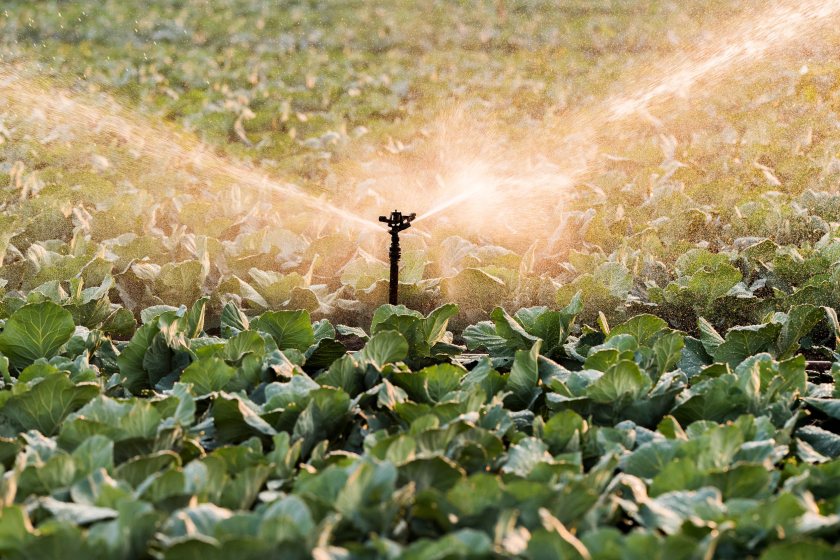
Farmers are considering reducing next year's vegetable planting as concerns grow that depleted irrigation reservoirs may not recover sufficiently over winter, the Environment Agency has warned.
Vegetable growers in England could scale back production in 2027 amid uncertainty over water supplies, despite some recent improvements in river flows following rainfall.
The Environment Agency has warned that farmers are considering reducing the area of irrigated crops they plant next year, particularly high-value vegetables, as concerns mount over their ability to replenish on-farm reservoirs.
Its latest drought report, published on 16 October, reveals that some agricultural reservoirs have fallen to historic lows following an unusually early start to the irrigation season and sustained demand for water throughout 2026.
Although recent rainfall has provided some relief, river flows remain below normal across much of central and southern England, raising concerns about whether sufficient water will be available for the next growing season.
The agency warned that "some farmers are considering planting smaller crop areas for irrigation, in particular high value vegetable crops."
The development raises questions about the potential impact on domestic food production, with growers facing difficult decisions over how much land they can commit to irrigation-dependent crops next year.
For businesses reliant on stored water, uncertainty over winter reservoir replenishment could influence planting decisions well before the 2027 irrigation season begins.
The warning comes despite some signs of improvement in England's wider water situation.
River flows increased at the majority of monitoring sites during the latest reporting week, while the number of abstraction licence restrictions fell from 536 to 449.
However, most monitored river flows remain below normal for the time of year, and water storage continues to be a concern.
The Environment Agency's previous report revealed that some agricultural storage reservoirs had fallen to between 0% and 20% of capacity, highlighting the scale of the challenge facing growers.
Across England's wider monitored reservoir network, storage remains at just 54% of capacity, around 21 percentage points below the long-term average for mid-October.
Eighteen reservoir groups are less than half full, with 11 classified as exceptionally low.
Meanwhile, restrictions on agricultural water abstraction remain widespread, with 1,383 voluntary restrictions in place reducing abstraction by 50% across affected catchments.
Formal restrictions on spray irrigation also remain in parts of East Anglia until 31 October, limiting access to water for some farm businesses.
In an effort to support growers ahead of winter, the Environment Agency introduced temporary flexibility allowing eligible abstraction licence holders to refill existing water storage reservoirs outside their usual authorised periods during October.
The arrangements, which run until 31 October, are subject to licence conditions and environmental safeguards.
The agency said it had received 42 requests for flexible abstraction arrangements from the agricultural sector.
However, the measures do not guarantee that growers will be able to replenish depleted supplies, particularly where river flows remain too low to permit additional abstraction.
The Environment Agency has not established how many growers are considering reducing their planted areas or the potential scale of any cuts to vegetable production.
Nevertheless, its latest assessment highlights the possibility that this year's prolonged dry weather could have consequences extending into 2027.