

Waste gangs face fresh crackdown as farmers battle costly illegal dumping
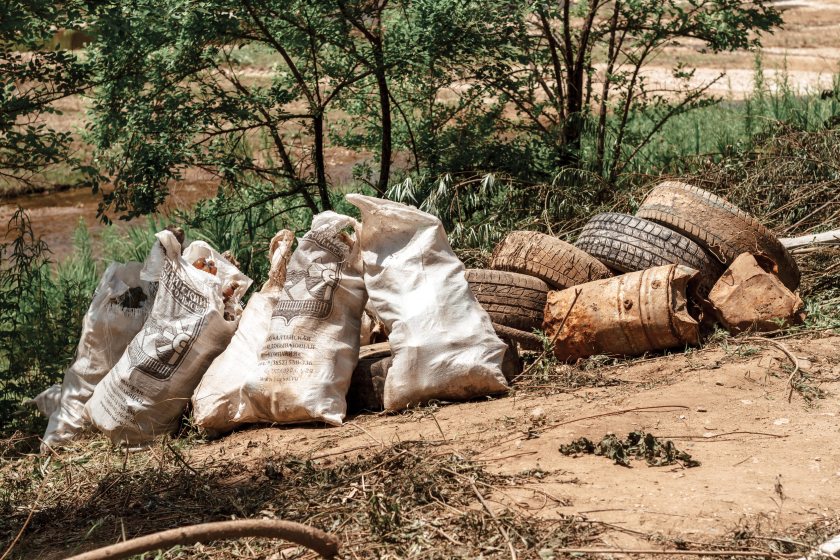
Farmers are being left to foot the bill for waste illegally dumped on their land as the government steps up its crackdown on organised criminal gangs targeting the countryside.
Defra Secretary Dame Angela Eagle has brought together police, regulators and local leaders in a new Waste Crime Crackdown Group, following 36 arrests linked to waste crime since April.
The group, brought together on Wednesday (4 November), will focus on strengthening enforcement, improving intelligence sharing and closing loopholes exploited by criminal waste operators.
For farmers and rural landowners, illegal dumping remains a costly problem, with waste abandoned on private property often leaving those affected responsible for expensive clean-up operations.
Under existing rules, landowners are generally responsible for removing illegally dumped waste from their property, even when they had no involvement in the offence.
While courts can order convicted offenders to repay clearance costs, farmers may still face substantial bills if those responsible cannot be identified or brought to justice.
The Countryside Alliance welcomed the latest enforcement measures but warned that stronger powers must translate into practical action, particularly for rural businesses affected by fly-tipping.
Sarah Lee, the organisation's director of policy and campaigns, said: "The formation of this group is welcome, but the real test is whether it leads to more effective enforcement."
She stressed that existing powers must be used effectively and enforcement agencies given sufficient resources to investigate offences and prosecute those responsible.
"Farmers and landowners who have waste dumped on their property through no fault of their own should not be left facing substantial bills to clear it up. They are the victims of these crimes, not the people responsible for them," Ms Lee said.
The new group forms part of a wider crackdown announced in August, when ministers outlined plans to strengthen enforcement against organised waste crime.
Its members will examine weaknesses in the waste system that criminal gangs exploit and consider whether regulators need additional powers to disrupt illegal operations.
The government says enforcement activity has already intensified, with 36 arrests made since April alongside investigations, prosecutions and raids across the country.
However, the arrests relate to wider waste crime enforcement rather than actions carried out by the newly established group.
Dame Angela said organised criminals must face continued pressure to prevent them from profiting from illegal waste disposal.
"For too long communities have been left to live with the consequences of waste crime. I am changing that," she said.
"Our tougher enforcement is already showing results with arrests ramping up. But these are organised criminals and we must keep up the pressure to disrupt their operations."
The government is also pursuing tougher financial penalties, with plans for fines of up to £5,000 for certain waste offences.
Further measures include expanding Environment Agency powers to confiscate cash, vehicles, property and other assets purchased using the proceeds of waste crime.
Environment Agency officers are also making greater use of drones to identify illegal waste operations, while regional mayors are being given a greater role in tackling offences.
Ministers are tightening waste permit exemptions to prevent criminals exploiting rules intended for lower-risk waste activities.
However, the Countryside Alliance has warned that changes must not create unnecessary bureaucracy for legitimate agricultural businesses.
It argues that effective enforcement requires properly resourced agencies, closer cooperation between police and regulators, and better use of local intelligence.
Environment Agency chief executive Philip Duffy said cooperation would be essential to disrupting organised criminal networks.
"Getting organised criminals out of our waste system needs everyone to work together: police, regulators and local government. By sharing more intelligence, we can stop criminals getting their hands on waste in the first place," he said.
The announcement follows the clearance of major illegal waste sites at Kidlington in Oxfordshire and Hoad's Wood in Kent, with criminal investigations continuing.
Work is also underway at other illegal dumping sites as authorities seek to tackle large-scale waste operations across the country.
Although the government has reported 36 arrests since April, it has not provided a breakdown showing how many cases involved farmland or the financial cost to affected agricultural businesses.
The latest announcement also makes no provision for new financial assistance to farmers forced to clear waste illegally dumped on their land.
For rural landowners, the effectiveness of the crackdown will depend on whether it prevents further dumping, brings offenders to justice and reduces the financial burden on those affected.