

British wool prices hit £1.66/kg as demand from major brands grows
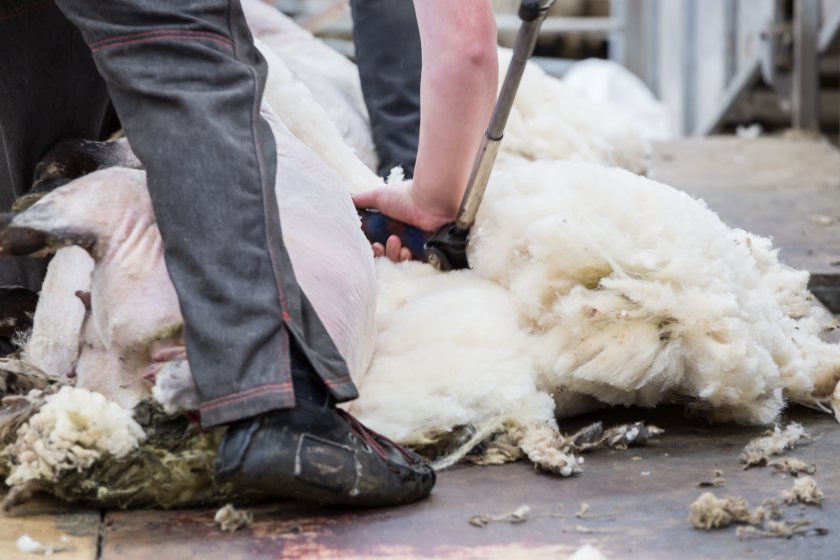
British wool is fetching an average of £1.66 per kilo in early-season sales, more than 30p above the 2025 season average, raising hopes of improved returns for sheep farmers.
British Wool revealed the figures at its Annual General Meeting and Conference in Bradford, with just over a quarter of the 2026 wool clip sold as demand from manufacturers and retailers continues to strengthen.
The average price was achieved across the first seven auctions of the season, suggesting a more positive outlook for producers if market conditions remain favourable.
However, the £1.66/kg figure represents the average auction price rather than the final payment received by individual farmers.
Actual returns will depend on factors including wool grade, quality, applicable costs and prices achieved during the remaining sales.
Andrew Hogley, chief executive of British Wool, welcomed the improvement in market conditions.
“The stronger prices achieved so far this season are encouraging for our members.”
He said British Wool's auction system helped bring buyers together to compete for members' wool, supporting its market value.
The organisation is also working to increase demand from major manufacturers, with traceable British wool increasingly finding its way into mattresses, clothing and interior furnishings.
Leading businesses including Harrison Spinks and Abraham Moon highlighted growing commercial opportunities at the conference, held at Wool House in Bradford.
Mattress manufacturer Harrison Spinks was the first brand to adopt British Wool's traceability scheme and has recently launched a new range with John Lewis.
The collection features traceable British wool ticking, the fabric covering the mattress, with the company reporting an encouraging start to sales.
Graham Astle, sales director at Harrison Spinks, highlighted the importance of using homegrown materials.
“British wool is at the heart of our mattresses.”
He said the fibre's natural qualities and traceable origins helped customers recognise its value while supporting British sheep farmers.
Meanwhile, textile manufacturer Abraham Moon is reporting increasing interest from customers and brands in the UK and overseas.
The company purchases traceable Romney lambswool from British Wool for use in clothing and interior fabrics, with both sales and interest continuing to grow year on year.
Joe McCann, brand and product director at Abraham Moon, said traceability was becoming increasingly valuable in helping consumers understand where their materials originate.
“We are seeing growing interest at home and abroad, and we want to turn that interest into lasting demand.”
British Wool said strengthening relationships with manufacturers and retailers remained central to its efforts to build sustainable markets for homegrown wool.
The organisation also wants to encourage more brands to specify British wool, using its provenance and traceability to support demand.
Stronger auction prices could provide a welcome boost for sheep producers, although the final impact on member returns will depend on market performance throughout the remainder of the season.
With almost three-quarters of the 2026 wool clip still to be sold, continued demand from domestic and international buyers will be important in determining the final returns received by British Wool members.