

Council earmarks £80k for farmers as fly-tipping incidents surge
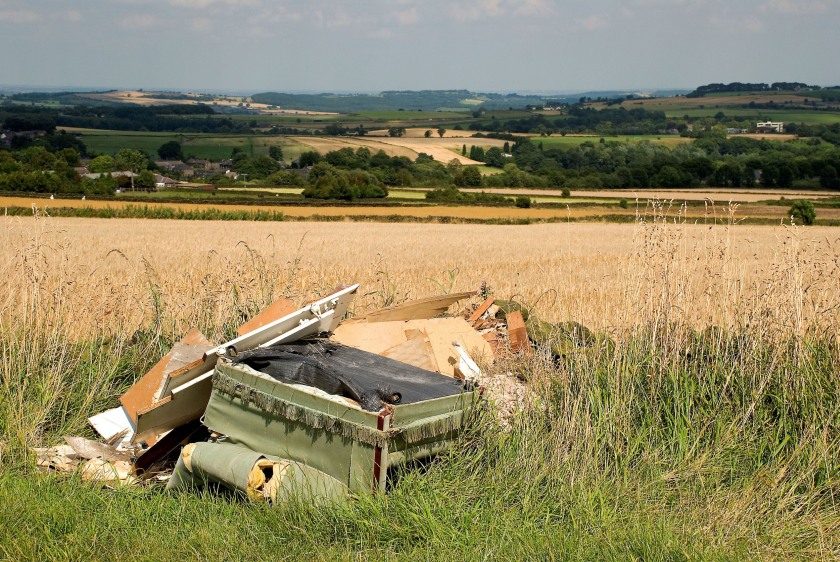
A Worcestershire council has earmarked £80,000 to support farmers hit by fly-tipping after illegal dumping incidents surged by 38% across the district.
Wychavon District Council has announced a £250,000, two-year crackdown on fly-tipping, with almost a third of the funding specifically allocated to supporting farmers.
The move follows discussions with the NFU over the impact of illegal waste dumping on agricultural land.
Between April and August 2026, the district recorded 719 fly-tipping incidents, compared with 521 during the same period last year.
However, the council has yet to confirm whether the dedicated farming fund will cover waste clearance costs, preventative security measures or other expenses.
Eligibility criteria, individual funding limits and application dates have also yet to be announced.
Fly-tipping remains a significant financial burden for British farmers, with landowners generally responsible for clearing waste illegally dumped on their property, despite being victims of the crime.
Earlier this year, the NFU highlighted the case of a Hertfordshire farmer who faced clearance costs of between £40,000 and £50,000 after around 200 tonnes of waste were dumped on his land.
More recently, an NFU survey of 515 members found that 49% believed fly-tipping had worsened in their local area over the past five years.
The problem is also growing nationally, with Defra figures showing that councils in England dealt with 1.26 million fly-tipping incidents in 2024-25, up 9% on the previous year.
However, these figures exclude the majority of incidents on private land, meaning the full extent of the problem facing farmers is not captured.
Beyond clearance bills, illegally dumped waste can contaminate farmland, endanger livestock, block field entrances and disrupt agricultural operations.
Money spent removing waste can also divert funds away from investment in farm businesses and food production.
Wychavon's decision to ring-fence funding for farmers raises wider questions over the financial support available to victims elsewhere in the country.
In Hertfordshire, a separate scheme backed by the police and crime commissioner offers landowners grants of up to £3,000 per incident or location towards clearance costs and preventative security measures.
However, central government generally does not compensate victims of non-violent crime, although courts can order convicted fly-tippers to reimburse landowners.
As part of Wychavon's wider crackdown, £150,000 will fund additional enforcement officers, increased surveillance and investigations targeting fly-tipping hotspots.
A further £20,000 will be spent on expanding public awareness and prevention campaigns.
Councillor Beverley Hardman, the council's executive board member for environment, said: “We’re sending a clear message fly-tippers are not welcome in Wychavon. We will use every power available to us to catch them and hold them to account.”
The council said it had already increased its maximum fixed penalty for fly-tipping to £5,000.
While enhanced enforcement is expected to begin in April 2027, farmers are still awaiting details of how the dedicated £80,000 support scheme will operate.