

Freshways slashes milk price by 7p/litre in blow to dairy farmers
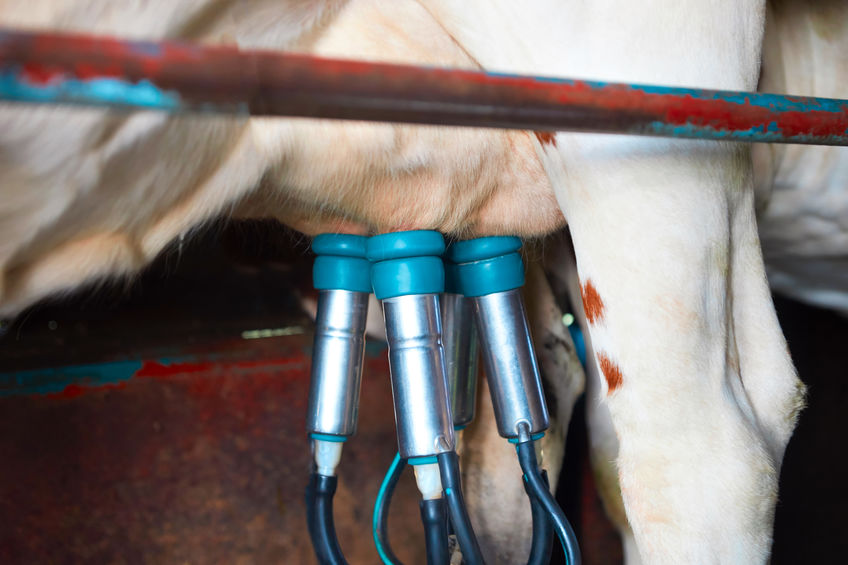
Dairy farmers supplying Freshways face a sharp 7p per litre milk price cut from December, reversing most of the processor's autumn increases and adding fresh pressure to producer incomes ahead of winter.
Freshways has informed its farmer suppliers of the reduction in its base milk price from 1 December 2026, taking its standard litre price to 31p, according to dairy industry analysts Ian Potter Marketing Services (IPMS).
The announcement follows increases totalling 9p per litre across September and October, when the processor raised prices to help secure milk supplies during a challenging period for British dairy farming.
Freshways increased its standard price from 29p to 32p per litre in September, before a further 6p rise took the October rate to 38p.
The latest reduction means the December standard price will be 7p below October's level, representing a fall of 18.4%.
It also takes the price below September's rate, despite continued pressure on dairy farmers from feed, forage and energy costs.
For a farm producing one million litres of milk annually, a sustained reduction of 7p per litre would equate to approximately £5,833 less income each month, assuming evenly distributed production and unchanged payment conditions.
If maintained for an entire year, the same reduction would represent £70,000 in lost milk revenue.
The announcement comes after one of the most challenging summers for British dairy farmers, with prolonged dry weather affecting grass growth, forage supplies and milk production.
Freshways was among several processors to introduce substantial autumn price increases as concerns grew over tightening domestic milk supplies.
However, the wider dairy market has struggled to support those higher farmgate prices.
The Agriculture and Horticulture Development Board (AHDB) warned in its October market outlook that recent milk price increases were largely intended to stabilise production rather than reflect stronger returns from dairy commodities.
The levy board said the increases were "not underpinned by rises in commodity values".
Despite falling British milk supplies, relatively weak dairy commodity markets and continued global production have limited the scope for stronger farmgate prices.
AHDB's October analysis highlighted the difficult balance between maintaining sufficient milk supplies and the commercial pressures facing processors.
The levy board reported that milk deliveries across Great Britain continued to contract during the summer, with August production falling 4.4% compared with the previous year.
September deliveries were 2.3% lower year on year, suggesting that the pressure on domestic milk production had continued into autumn.
Freshways has not publicly detailed the full commercial reasoning behind its latest reduction in the information available from IPMS.
However, AHDB's wider analysis shows that weak commodity returns have been making recent farmgate price increases increasingly difficult to sustain across the dairy sector.
The reduction comes as British milk production is already forecast to decline further.
AHDB expects deliveries across Great Britain to fall by 2.2% during the 2026/27 milk year, equivalent to around 284 million litres less than the previous season.
Production is forecast to reach approximately 12.74 billion litres, with reduced forage availability, higher production costs and falling dairy cow numbers among the main pressures.
Animal health concerns, including the spread of bluetongue, have also added uncertainty to the outlook.
Many dairy farmers entered autumn with depleted forage reserves after prolonged hot and dry weather forced some businesses to begin using winter feed stocks earlier than planned.
Although improved rainfall during September and October helped grass growth in some areas, the financial consequences of the summer's difficult conditions are expected to continue into winter.
AHDB has warned that the impact will vary considerably depending on individual milk contracts, farm location and exposure to rising costs.
Farmers relying on purchased feed or additional forage could face particularly difficult decisions if milk prices weaken while production expenses remain elevated.
The sharp reversal at Freshways highlights the volatility facing dairy businesses, with substantial increases introduced to secure supplies now being followed by a significant reduction.