

Pig movements and pork exports at risk as industry reviews ASF defences
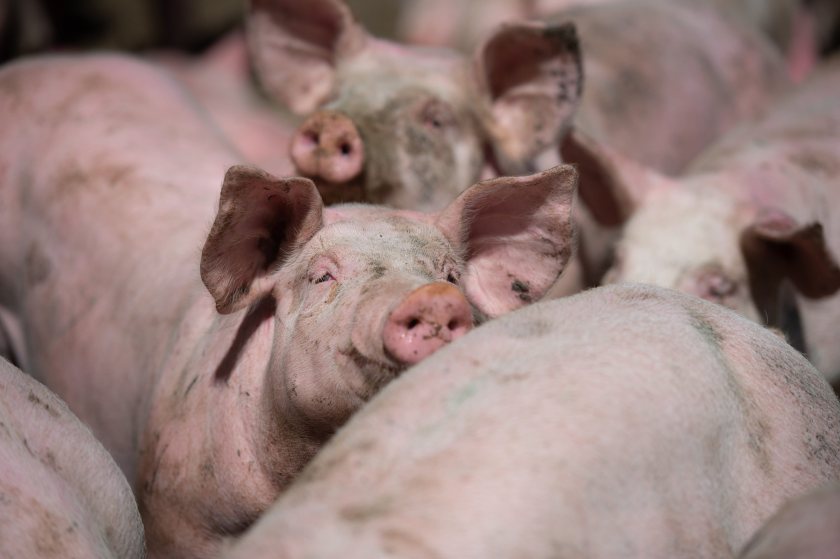
Pig movements, processing operations and pork exports could face serious disruption in an African swine fever (ASF) outbreak, as a new report highlights areas where the British pig industry needs to strengthen its preparedness.
The Agriculture and Horticulture Development Board (AHDB) has identified six key themes requiring further attention to improve how the sector prevents, responds to and recovers from a potential outbreak.
The findings follow a series of cross-industry workshops held in early 2026, involving pig producers, processors, vets, retailers, industry organisations and government representatives.
Participants examined the challenges facing the pork supply chain, identifying progress already made alongside areas where further action is needed.
Among the priorities are livestock traceability, farm biosecurity, operational capacity, practical guidance and trade resilience.
These areas are critical to managing an outbreak, when restrictions on pig movements could disrupt the supply of animals to slaughterhouses and create additional pressures for producers.
Processing businesses could also face operational challenges, while restrictions imposed by overseas trading partners could threaten British pork exports and farm incomes.
ASF is a highly contagious viral disease affecting domestic pigs and wild boar. Although it does not affect humans, it can cause severe animal losses and substantial economic damage.
The disease has never been detected in the UK, but its continued spread in parts of Europe and elsewhere remains a significant concern for the British pig industry.
AHDB said the workshops demonstrated the importance of cooperation across the supply chain, with effective disease preparedness depending on close working relationships between industry and government.
“Preparedness is a collective responsibility,” the organisation said, highlighting the need for coordinated action to limit the animal welfare, economic and reputational consequences of an outbreak.
Work is already under way to address several priorities, including a new economic impact assessment commissioned by AHDB and being undertaken by London Economics.
The study will examine how different outbreak scenarios could affect pig producers, processors, exporters and other businesses across the supply chain.
Particular attention will be given to trade restrictions, disease control costs, regional differences and the potential consequences for producer incomes.
Researchers will also assess whether regionalisation agreements, which can allow trade from disease-free areas to continue, could reduce the economic damage caused by an outbreak.
Another focus will be compartmentalisation, which involves recognising groups of animals managed under defined biosecurity arrangements to help maintain disease-free status.
The assessment will compare outbreaks involving wild boar with those affecting domestic pigs, including scenarios where infection spreads across multiple regions.
AHDB is also planning an industry study visit to Spain in early 2027 to examine lessons from the country's experience of ASF, including disease management, trade disruption and recovery.
The findings will help inform economic modelling and future discussions with government and international trading partners.
Alongside the research, AHDB is increasing communications with small-scale and rare-breed pig keepers to ensure disease prevention advice reaches producers who may be less connected to established industry networks.
A workshop has also taken place to help meat processors prepare for pre-designation arrangements, which can allow eligible facilities to continue operating under specific disease control conditions.
The work builds on the government's updated swine fever control strategy, published in May 2026, which sets out measures covering surveillance, livestock movement restrictions and outbreak management.
While preparations are progressing, the latest findings underline the importance of strengthening arrangements across the industry before an outbreak occurs.
The economic impact assessment is expected to be completed in the first quarter of 2027, providing updated evidence on the financial risks facing British pig businesses.
AHDB also plans to bring industry representatives together again in spring 2027 to review progress, share lessons and identify further action needed.
The next phase of work will be crucial in determining how effectively the industry could manage an ASF outbreak while protecting pig welfare, maintaining business continuity and limiting disruption to British pork exports.