

Welsh abattoirs plunge from 58 to just 15 as sector faces crisis
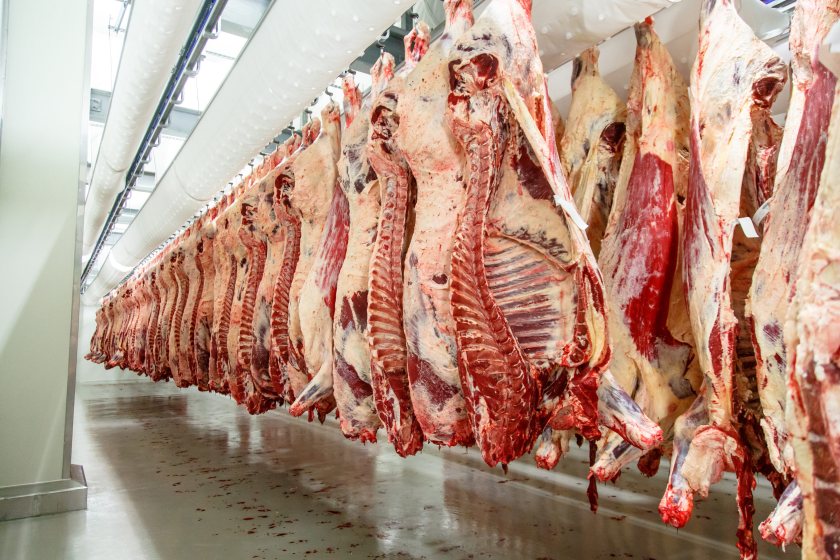
Wales has lost more than 40 red meat abattoirs since 1990, leaving just 15 operating and raising fresh concerns over the future of the country's £768 million red meat supply chain.
NFU Cymru has warned that declining slaughtering capacity is reducing farmers' processing options and threatening the resilience of Welsh livestock production.
The concerns were raised during evidence to the Senedd's Climate Change, Environment, Sustainability and Rural Affairs Committee, which is investigating the future of Welsh abattoirs.
At the hearing, Farmers' Union of Wales (FUW) president Ian Rickman revealed that the number of red meat abattoirs had fallen from 58 in 1990 to just 15 in 2026.
The decline comes despite the Welsh red meat sector contributing around £768 million to the economy and accounting for 37% of total Welsh agricultural output.
NFU Cymru deputy president Paul Williams warned that the loss of processing facilities was already having consequences for livestock producers.
He told the committee that the closure of a major abattoir in north Wales had resulted in animals being transported across the border into England for processing.
The situation raises concerns about retaining the economic value generated by Welsh livestock production within Wales, as well as the availability of local slaughtering facilities.
Williams stressed that maintaining a network of small, medium and large abattoirs was essential to supporting farmers and ensuring the future of the sector.
However, declining livestock numbers are creating further challenges for processors.
Wales' breeding ewe population has fallen by 10% over the past decade, while beef breeding cow numbers have dropped by 21%.
"Productive farming is the foundation upon which processing capacity depends," Williams said.
He explained that sufficient livestock numbers and consistent throughput were needed to help abattoirs operate efficiently and maintain commercially viable margins.
Rising regulatory costs are adding to the pressure, particularly for smaller slaughterhouses.
Rickman told the committee that Food Standards Agency hourly charges for official veterinarians had increased by 20.8% in 2026–27, while meat hygiene inspector rates had risen by 12.3%.
He warned that smaller operators were particularly exposed because they had fewer animals over which to spread these costs.
The British Veterinary Association (BVA) also raised concerns about the financial viability of smaller and medium-sized abattoirs.
Its representative, Phoebe McCarter, told the committee that charging arrangements must reflect the different operating costs faced by processors without compromising animal welfare or food safety standards.
NFU Cymru has now put forward a series of recommendations aimed at protecting and strengthening Welsh slaughtering capacity.
Among its proposals is a call for abattoirs to be designated as Critical National Infrastructure, recognising their importance to food security and the wider agricultural economy.
The union also wants the Sustainable Farming Scheme (SFS) to evolve further to help maintain and grow livestock numbers across Wales.
Other recommendations include increasing the proportion of Welsh red meat used in public procurement contracts and introducing a fairer, more proportionate regulatory charging system.
NFU Cymru argues that protecting processing capacity is particularly important for the future of PGI Welsh Lamb and PGI Welsh Beef.
Williams said: "Abattoirs support our PGI Welsh Lamb and PGI Welsh Beef supply chains on domestic, EU and global markets, which in turn deliver multiple benefits for rural employment and the nation's food resilience."
The union hopes its evidence will help shape the Senedd committee's findings and recommendations on the future of Welsh slaughterhouses.
With livestock numbers declining and processing costs rising, NFU Cymru is calling for greater recognition of abattoirs as essential infrastructure for Welsh farming and the wider rural economy.