

England's drought remains serious despite recent rainfall, officials warn
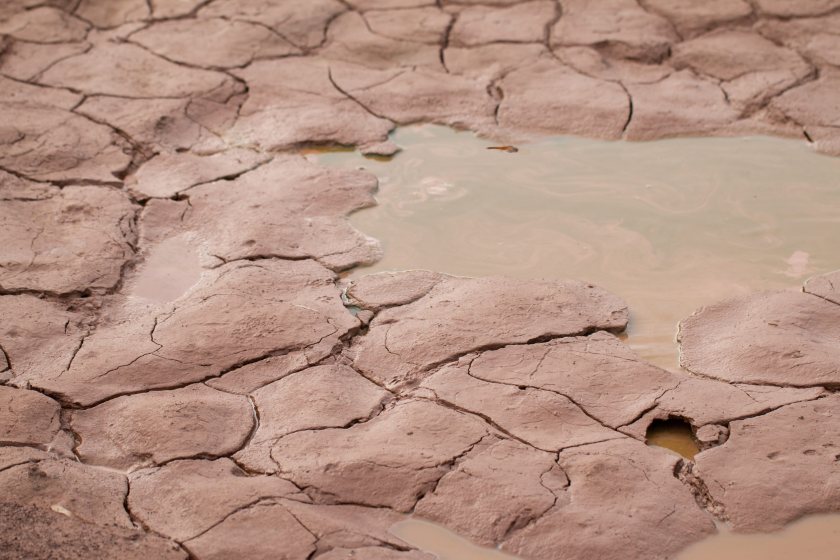
England needs at least 120% of average rainfall over the next five months to escape drought by spring, raising concerns for farmers as water shortages threaten to continue into 2027.
The National Drought Group has warned that another dry winter could prolong the crisis, with Devon and Cornwall, alongside East Anglia, among the areas most at risk.
Around 50 million people are living in drought-affected areas, while 3.2% of England remains classified as being in severe drought following an exceptionally dry spring and summer.
Reservoir storage currently stands at just 59.1%, with eight of the 31 monitored reservoirs or reservoir groups classified as exceptionally low.
Water companies have been urged to accelerate leak repairs, with approximately 19% of water still being lost before reaching customers' taps.
The prolonged drought is also raising concerns for agriculture, with farmers facing uncertainty over water availability ahead of the 2027 growing season.
The government has outlined a £65 million support package for drought-affected farmers, including up to £15 million to help construct on-farm reservoirs.
Changes to agricultural abstraction licensing are also intended to make it easier for farmers to secure long-term licences and take advantage of higher river flows to capture water when supplies are available.
The measures aim to improve on-farm water storage and help agricultural businesses prepare for increasingly unpredictable weather conditions.
Water Minister Emma Hardy said: "The drought situation remains serious and, while we cannot control dry weather, we can control how well prepared we are for it."
She warned that preparations must continue for the possibility of drought extending into 2027, with water companies expected to reduce leakage, manage demand and strengthen supplies ahead of spring.
The latest National Drought Group meeting heard that action by the government, Environment Agency and water companies had helped stabilise conditions, particularly in areas experiencing severe drought.
However, parts of Cornwall, Devon, Dorset, Somerset, East Sussex and West Sussex remain under severe drought conditions.
Among the worst-affected reservoirs are Wimbleball in Somerset and Ardingly in West Sussex, where storage levels remain at 18.3% and 19% respectively.
The Environment Agency has approved a drought permit allowing South West Water to reduce daily releases into the River Exe by nine million litres to help conserve supplies.
Measures at Ardingly also include reduced releases into the River Ouse and transfers of water from elsewhere in the network.
The Environment Secretary is considering applications from South East Water, South West Water and Wessex Water for restrictions on non-essential water use.
Despite rainfall during October, recovery remains fragile, with November receiving just 9% of its average monthly rainfall by the 10th.
Environment Agency director of water Helen Wakeham, who chaired the drought meeting, warned that recent wet weather should not be mistaken for an end to the crisis.
"Autumn is really setting in, and it would be understandable to think the rain we’ve had is enough to end the drought – it isn’t," she said.
The exceptionally dry spring and summer, combined with successive heatwaves, have left groundwater, rivers and reservoirs struggling to recover.
Officials warned that another dry winter could have serious consequences for river ecosystems and wildlife, although recent rainfall has improved conditions for Atlantic salmon migration on the River Exe.
The Environment Agency has withdrawn a proposed drought order for the River Severn following recent rainfall, while monitoring continues elsewhere.
The National Drought Group, which includes the NFU, water companies, regulators and environmental organisations, has been meeting regularly since August to coordinate the response.
Longer-term plans to improve water security include nine new reservoirs by 2050, additional water transfers and investment in infrastructure to strengthen resilience against future droughts.
With another dry winter threatening to prolong water shortages, farmers and other users are being urged to conserve supplies while preparations continue for the months ahead.
Ms Wakeham said: "Everyone can help. Lots of us taking small steps to reduce our daily use really does make a difference and leaves more water for our environment, wildlife, farmers, and public supplies."