

Two new bird flu outbreaks hit poultry farms in Yorkshire and Lancashire
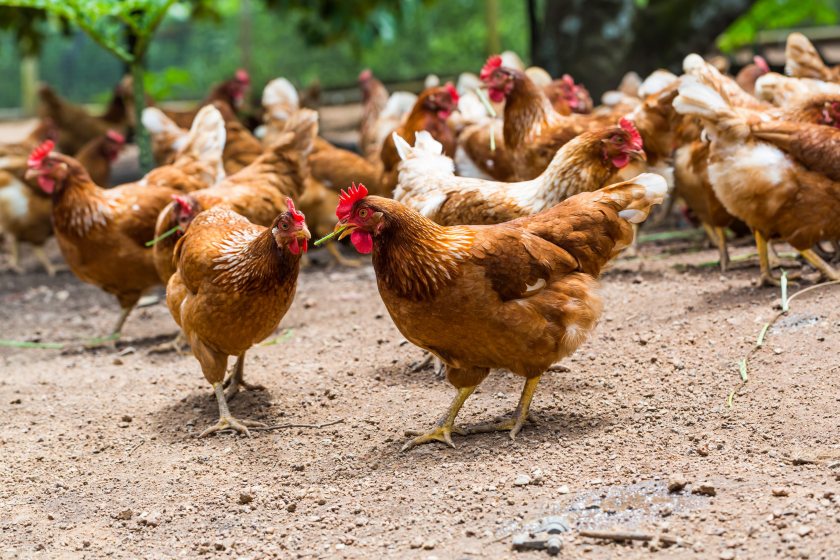
Two new bird flu outbreaks have been confirmed at commercial poultry farms in Yorkshire and Lancashire, with 14,000 free-range hens among the birds set to be culled.
Defra confirmed highly pathogenic avian influenza (HPAI) H5N1 at both premises on Saturday (7 November), triggering fresh disease control restrictions.
The Yorkshire outbreak was identified near Pocklington, in the East Riding of Yorkshire, where 14,000 free-range laying hens have been affected.
A second outbreak was confirmed near Garstang, in Wyre, Lancashire, at a mixed commercial poultry premises containing seasonal turkeys and geese.
Following the two confirmations, Defra has declared 3km protection zones and wider 10km surveillance zones around both infected premises.
Poultry keepers within the 3km protection zones must house their birds and comply with restrictions on poultry and egg movements.
Movement controls and additional record-keeping requirements also apply to producers within the wider 10km surveillance zones.
All poultry at the affected farms will be culled as part of measures to control the spread of the virus.
In its official notices for both outbreaks, Defra stated: "All poultry on the premises will be humanely culled."
The two new cases follow several other significant outbreaks affecting commercial poultry flocks in recent weeks.
On 4 November, H5N1 was confirmed at a premises in North Lincolnshire involving 64,000 ducks, according to BFREPA's latest outbreak figures.
Just two days earlier, on 2 November, the virus was detected in a flock of 64,000 free-range laying hens near Biggar, in the Scottish Borders.
Another outbreak was confirmed near Belford, Northumberland, on 19 October, affecting 32,000 free-range laying hens.
According to Defra's latest figures, four H5N1 outbreaks have now been confirmed in England during the 2026/27 bird flu season, alongside one in Scotland.
Scotland has also recorded a separate outbreak involving the H5N5 strain since the season began on 1 October.
Earlier in the season, UK Chief Veterinary Officer Christine Middlemiss warned poultry producers to strengthen biosecurity as migratory birds returned to Britain for winter.
"All bird keepers must ensure ongoing robust biosecurity to protect the health and welfare of their birds. Good biosecurity is our best defence against the disease entering kept bird populations," she said.