

Wheat yield slump exposes growing north-south divide
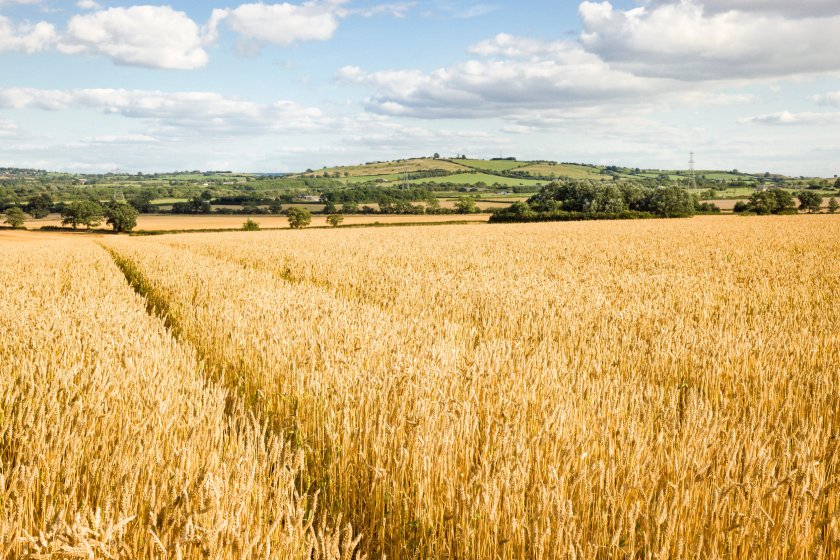
Wheat yields across parts of England and Wales have fallen up to 15% below historical averages following three challenging harvests, raising concerns over farm profitability.
New analysis by Strutt & Parker has revealed a regional divide in crop performance, with southern England and the Midlands experiencing some of the steepest declines amid increasingly volatile weather.
Drawing on data from Defra’s Cereal and Oilseed Rape Production Survey, which covers around 1,500 farms, the analysis compared average yields from the 2024 to 2026 harvests with those recorded between 2014 and 2023.
Across England, average wheat yields over the past three harvests stood at 7.1 tonnes per hectare, more than a tonne below the previous decade’s average of 8.2t/ha.
Yields were 15% below historical levels in the South East, South West and West Midlands, 14% lower in eastern England and 13% down in the East Midlands and Wales.
By contrast, reported average yields increased by 6% in the North West & Mersey region and 4% in Scotland.
Individual 2026 yield figures for Scotland and Wales were unavailable in the published analysis.
The 2026 harvest proved particularly challenging for southern growers, with wheat yields in the South East and London falling 19% below the historical benchmark.
Eastern England recorded a 17% decline against the same benchmark, followed by the South West at 16% and the West Midlands at 14%.
Arable farmers have endured three successive seasons of weather-related disruption, beginning with exceptionally wet conditions ahead of the 2024 harvest.
Spring drought and high temperatures followed in 2025, before a prolonged summer drought placed further pressure on crops in 2026.
Natalie Gaibani, head of farming at Strutt & Parker, said: “Yields can be expected to fluctuate from one harvest to another, but looking at the picture over three years really helps to highlight the broader trends.”
She warned that increasingly extreme temperatures and volatile weather had implications for farmers, processors, manufacturers and retailers.
“The changes are significant as even small changes in yields can drastically affect a farm’s profit.”
Separate modelling by AHDB recently highlighted how a 15% reduction in cereal yields could cut net profits by 61% on a representative arable farm, assuming prices and production costs remained unchanged.
Winter barley has generally proved less affected than wheat, although average yields across England over the past three harvests were still 7% below historical levels.
Oilseed rape has performed comparatively well, with England’s 2026 yield standing 12% above the historical benchmark.
Strutt & Parker is encouraging farmers to review their business strategies, amid wider industry calls for investment in more resilient crop varieties and growing concerns over agricultural water availability.
Ms Gaibani said: “For farmers, this might include looking at hardier varieties, increased investment in soil resilience and water availability, or it could involve a more wholesale review of farm strategy.”
She stressed that preparations for increasingly unpredictable growing conditions must extend beyond individual farm businesses.
“Everyone in the supply chain needs to factor increasing weather risks into their business plans and budgets and start preparing to adapt.”