

Bluetongue hits Northern Ireland as three sheep test positive
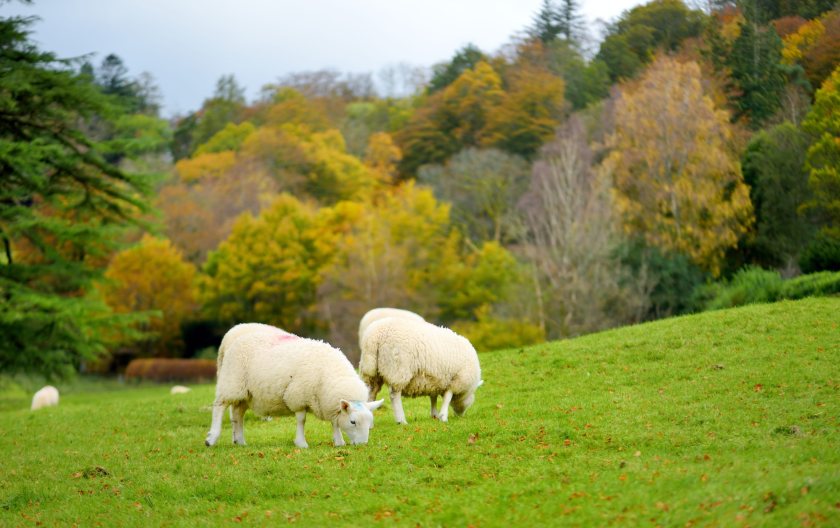
Bluetongue has been confirmed in three sheep on a County Down farm, sparking fresh concern as Northern Ireland records its first cases of the season.
The Department of Agriculture, Environment and Rural Affairs (DAERA) confirmed the outbreak, marking the first cases of bluetongue virus serotype 3 (BTV-3) in Northern Ireland during the 2026/27 season.
Despite the latest outbreak, DAERA has confirmed that no additional livestock movement restrictions or disease control zones will be introduced.
Chief Veterinary Officer Brian Dooher said further controls would not be imposed because BTV-3 had already been detected in Northern Ireland in November 2025.
Livestock movements within Northern Ireland remain permitted under a general licence, although the suspension of live ruminant movements from Great Britain into Northern Ireland continues.
Northern Ireland's suspended bluetongue-free status also continues to affect exports of susceptible animals and certain livestock products.
Agriculture Minister Andrew Muir described the the new cases as disappointing but unsurprising, given the spread of BTV-3 across neighbouring regions.
He urged farmers to remain vigilant, maintain strict biosecurity measures and report any suspected infections immediately.
The Ulster Farmers' Union (UFU) has echoed those concerns, warning that the disease can have serious consequences for livestock, particularly sheep.
UFU deputy president Clement Lynch said: "Our message to farmers is to remain calm, vigilant and continue to follow the veterinary advice."
He stressed the importance of recognising symptoms, which can include high temperatures, lameness, swelling around the head and neck, excessive salivation, nasal discharge and mouth sores.
Cross-border movements of susceptible livestock between Northern Ireland and the Republic of Ireland resumed in March 2026 under reciprocal arrangements, subject to applicable conditions.
Across Great Britain, England, Scotland and Wales are now covered by bluetongue restricted zones, following Scotland's decision to extend its zone nationwide on 3 October.
Livestock can generally move between these zones under the relevant general licence arrangements, although farmers must comply with movement conditions and check their animals for signs of infection.
The UFU has also encouraged farmers to seek veterinary advice about vaccination and carefully consider disease risks when purchasing or moving livestock.
Vaccination against BTV-3 became more accessible to Northern Ireland farmers in April 2026 after DAERA introduced a general licence, removing the need for individual vaccination licences.
However, farmers must still obtain a veterinary prescription, maintain accurate vaccination records and comply with veterinary medicine requirements.
Three BTV-3 vaccines are authorised for use in the UK: Bluevac-3, BULTAVO 3 and Syvazul BTV 3.
Depending on the vaccine and animal species, vaccination can reduce clinical symptoms, mortality or the amount of virus circulating in the bloodstream.
However, vaccination does not guarantee complete protection against infection or transmission, meaning vaccinated animals remain subject to applicable livestock movement and trade requirements.
Meanwhile, the latest UK government figures show 3,519 affected premises across Great Britain, including 2,950 in England, 512 in Wales and 57 in Scotland.
The figures, updated on 13 November, also show 48 suspected cases under investigation across Great Britain. The newly confirmed County Down outbreak was not yet reflected in that published breakdown.
The Republic of Ireland has recorded 101 bluetongue cases across 17 counties, according to Department of Agriculture figures updated on 10 November.
These include 94 cases in cattle and seven in sheep, with County Wexford recording the highest number at 35.
Bluetongue spreads primarily through infected biting midges and can affect cattle, sheep, goats, deer, llamas and alpacas.
Midges are generally most active between April and November, with colder conditions reducing the risk of transmission during winter and early spring.
DAERA has reassured consumers that bluetongue poses no threat to human health or food safety, with Mr Muir confirming that "milk and meat are safe to consume".
Surveillance is continuing at abattoirs alongside post-import testing of susceptible animals arriving from mainland EU countries.
Mr Lynch added: "This is a time for vigilance rather than alarm."
Farmers who suspect bluetongue should contact their veterinary practitioner and report the case to DAERA on 0300 200 7840.