

Bird flu suspected at NI poultry farm after 'significant mortality'
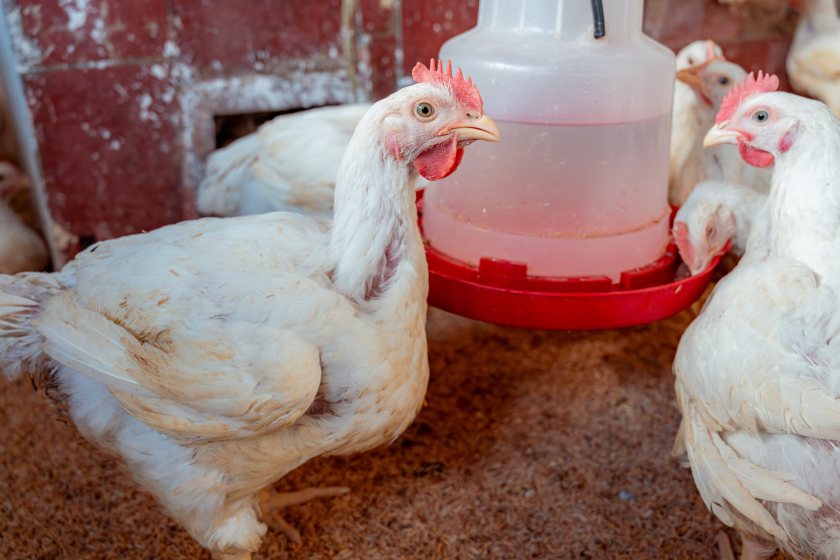
A County Tyrone poultry farm has been placed under restrictions following "significant mortality" and signs consistent with avian influenza, as officials consider wider disease controls across Northern Ireland.
The Department of Agriculture, Environment and Rural Affairs (DAERA) launched an investigation on Sunday (15 November) following reports of significant bird deaths and clinical signs consistent with the disease.
Veterinary officials attended the premises, imposed restrictions on the affected flock and collected official samples for laboratory testing.
The samples were sent to the UK National Reference Laboratory at Weybridge, Surrey, with results expected later on Monday (16 November).
Although avian influenza has not yet been confirmed, DAERA has activated disease control arrangements and is assessing whether additional measures may be needed across Northern Ireland.
Agriculture Minister Andrew Muir acknowledged the impact on the affected poultry keeper and the uncertainty facing the wider industry.
He said officials were "actively considering the need for further disease control measures across Northern Ireland", based on veterinary and epidemiological advice.
Mr Muir confirmed that contingency plans were in place, with further measures ready to be introduced at the premises should highly pathogenic avian influenza (HPAI) be confirmed.
The investigation follows the detection of HPAI H5N1 in a dead swan collected from Ulster University in Derry/Londonderry, confirmed on 10 November.
It marked Northern Ireland's first confirmed wild-bird detection of the 2026/27 season, which began on 1 October.
DAERA linked the discovery to the autumn migration period and urged poultry keepers to strengthen biosecurity measures to reduce the risk of infection.
However, no connection has been established between the wild-bird detection and the suspected case at the County Tyrone farm.
The latest UK government figures, updated on 13 November, show 10 confirmed outbreaks of highly pathogenic avian influenza in kept birds across the country this season.
Seven cases have been recorded in England and three in Scotland, including nine involving H5N1 and one involving H5N5.
Recent outbreaks include H5N1 at a commercial poultry farm in Norfolk, confirmed on 9 November, and further cases in Lincolnshire.
Scotland has also recorded outbreaks in the Scottish Borders and Orkney, alongside an earlier H5N5 detection on the Isle of Lewis.
The growing number of confirmed cases has prompted additional disease controls across Great Britain.
In England, a nationwide poultry housing order came into force on 13 November, requiring keepers with 50 or more birds, and smaller flocks supplying eggs, poultry products or live birds, to house their birds, subject to exemptions.
Scotland introduced a nationwide Avian Influenza Prevention Zone on 10 November, requiring all bird keepers to follow enhanced biosecurity measures.
Meanwhile, Wales is introducing its own prevention zone from midday on Monday (16 November), although compulsory nationwide housing measures have not been imposed.
The restrictions come amid increasing concern over the spread of avian influenza as migratory birds return to Britain for winter.
Chief Veterinary Officer Brian Dooher confirmed that disease control arrangements had been activated in County Tyrone, with veterinary officials continuing to oversee the situation.
He urged poultry keepers to "remain vigilant, maintain good biosecurity and report any concerns about the health of their birds to DAERA without delay".
Farmers are being advised to clean and disinfect footwear and equipment regularly, protect feed and water from wild birds and limit unnecessary access to poultry areas.
Other precautions include controlling rodents, maintaining clean housing and preventing contact between kept birds and wild waterfowl.
Poultry keepers should also monitor their flocks closely for unusual deaths or signs of illness, particularly as the higher-risk winter period approaches.
The importance of strong on-farm biosecurity has been repeatedly highlighted by veterinary officials and industry organisations as the sector faces further bird flu threats.
Avian influenza is a notifiable disease, meaning anyone who suspects infection in poultry or other captive birds is legally required to report it to DAERA.
The Public Health Agency has reassured consumers that the risk to human health remains very low.
The Food Standards Agency has also advised that properly cooked poultry meat and eggs remain safe to eat.
DAERA said further updates would be issued once laboratory results became available, with appropriate disease control measures to follow immediately if highly pathogenic avian influenza is confirmed.
Poultry keepers who suspect the disease should contact DAERA on 0300 200 7840 or report their concerns through their local DAERA Direct Office.